
Construction and development
How an Investor Can Monitor Construction in Greece
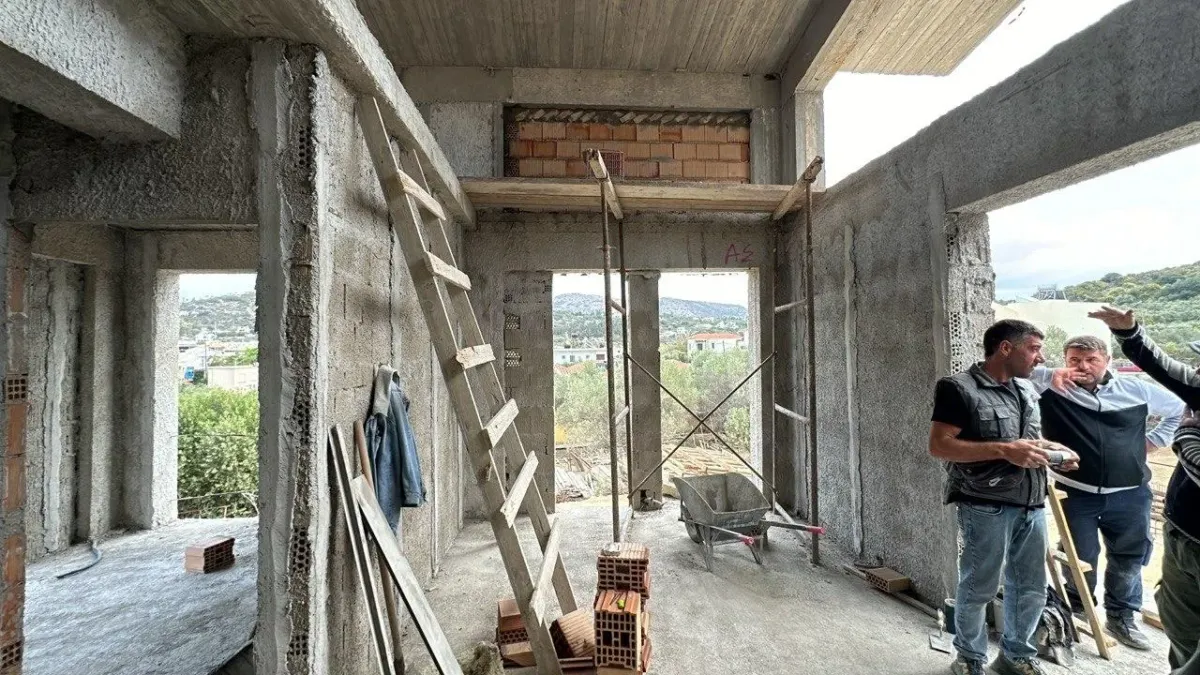
Building in another country requires transparent oversight. It is essential for an investor to understand what has been completed, how much has been spent, and whether the result aligns with the project.
In Greece, permits are processed through the e-Adeies system by authorized engineers. They are required for building construction, swimming pools, and significant earthworks. Oversight begins before the crew arrives on site.
1. Define the Project and Specifications
Before work begins, you must approve:
- architectural and engineering designs;
- building area and layout;
- materials and equipment;
- pool and landscaping;
- total budget;
- completion timelines;
- change management procedures.
General descriptions are insufficient. It is better to specify the manufacturer, model, dimensions, or price range in the documents.
2. Divide Construction into Stages
It is easier to monitor the project by stages:
- Site preparation and earthworks.
- Foundation and concrete frame.
- Walls, roof, and waterproofing.
- Electrical, plumbing, and sewage.
- Windows, facade, and thermal insulation.
- Interior finishing.
- Pool and landscaping.
- Inspection and handover.
You can learn more about these works in the real estate construction in Greece section.
3. Pay for Completed Work
Do not pay a large portion of the budget in advance. Payments should be linked to the completion of stages. Before payment, the investor should receive:
- certificate of completed work;
- photo and video reports;
- engineer’s confirmation;
- invoices for materials and services;
- updated budget balance.
The contract should also outline the procedure for paying for additional works.
4. Appoint Technical Supervision
The builders’ work must be checked by an engineer who monitors compliance with the project, permits, and regulations. Special attention must be paid to the foundation, reinforcement, concrete, waterproofing, electrical, pipes, and insulation. Correcting hidden errors after finishing is significantly more expensive.
5. Receive Regular Reports
The investor should receive a report weekly or after the completion of each stage. A useful report includes:
- completed works;
- photos and videos;
- expenses for the period;
- schedule deviations;
- issues encountered;
- plan for the next week.
6. Control Changes
Any change to the layout, materials, or equipment must be agreed upon in writing. Before approval, the following must be reported:
- reason for the change;
- additional cost;
- impact on the timeline;
- possible alternatives.
Verbal agreements often lead to disputes and budget increases.
7. Conduct Final Acceptance
Before the final payment, a punch list of defects is compiled. Doors, windows, plumbing, electrical, air conditioning, waterproofing, pool, and grounds are checked. Defects must be rectified before the final act. The investor receives projects, permits, warranties, and manuals.
Check out the AILIT Group project catalog to choose a suitable concept for construction in Crete.
Construction with AILIT Group
AILIT Group combines site selection, design, permitting, construction, and reporting into a single system. The investor gains control over budget, timelines, and quality without needing to be on-site daily. Contact AILIT Group to get a preliminary calculation and project implementation plan.
This material is for informational purposes only. Control and payment terms must be stipulated in the contract, taking into account the specific project.